June 2, 2026
In the realm of outdoor design, hardscaping stands as a critical element that transforms landscapes beyond the mere addition of plants and soil. The choice between concrete pavers and natural stone for landscape supplies is a pivotal one in crafting durable and visually appealing spaces. As both materials bring unique benefits to any project, understanding their intricacies sets the foundation for making informed and effective hardscaping decisions.
The Importance of Hardscaping
Hardscaping refers to the use of hard materials in landscape architecture, enhancing both functionality and aesthetics. It encompasses elements such as patios, walkways, and retaining walls, serving as the structural backbone of any outdoor area. The blend of hardscaping features adds a unique touch to landscape designs, offering balance, contrast, and harmony with the softer features like plants and water. A well-executed hardscape not only makes landscapes more usable but also complements them, increasing visual appeal and functionality. By integrating hardscaping, landscapes transform into inviting spaces that cater to diverse activities and purposes.
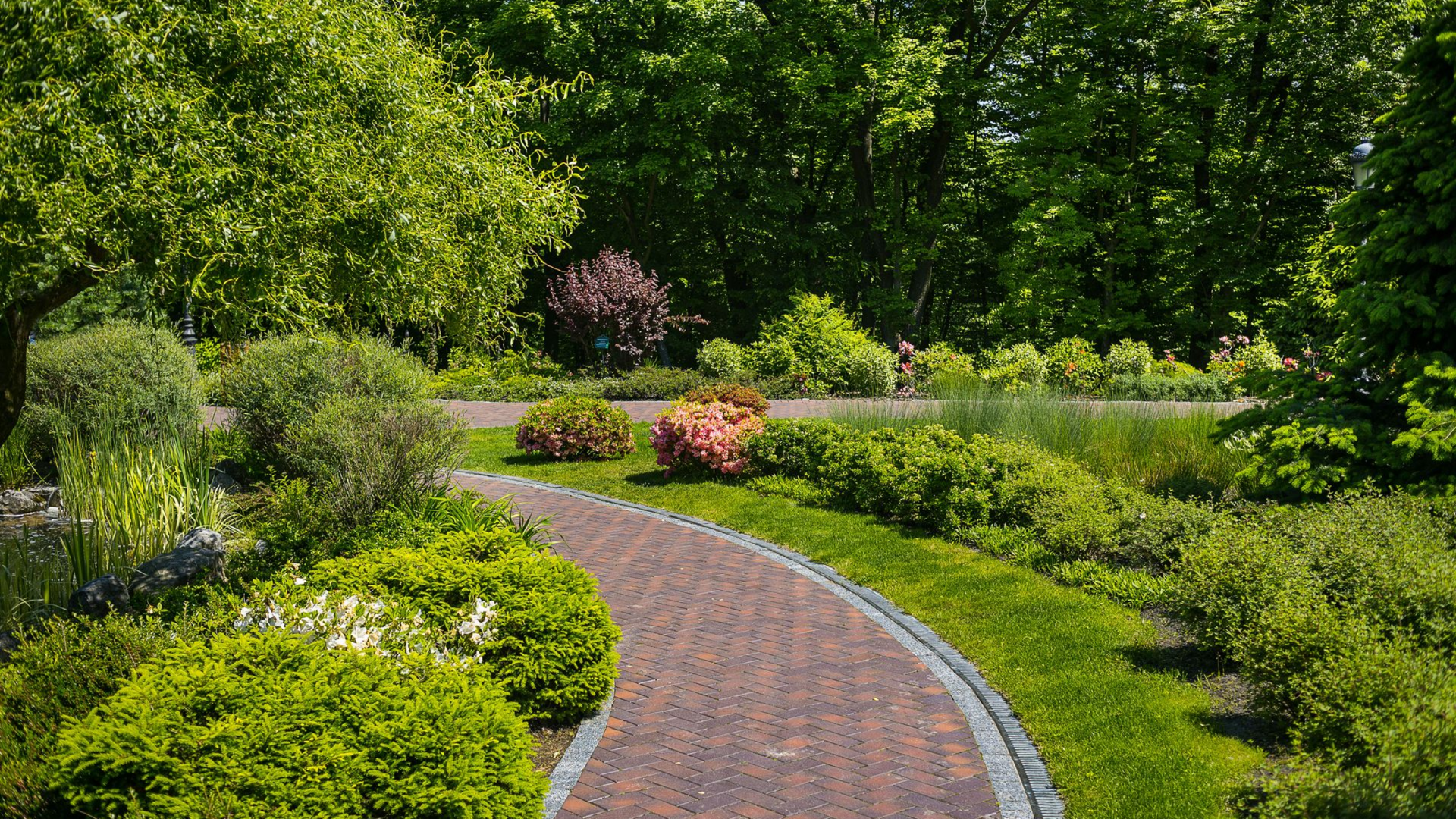
The aesthetic value of hardscaping is undeniable, with concrete pavers and natural stone providing diverse options for creativity in design. These materials allow for intricate designs, combining geometric patterns and various color schemes to align with any architectural theme or personal preference. Beyond aesthetics, hardscaping contributes to the creation of distinct outdoor 'rooms,' satisfying different needs, from cozy seating areas to expansive entertainment zones. Furthermore, it guides movement through landscapes, subtly directing attention and traffic in a way that enhances the overall experience. Thus, carefully selected and designed landscape supplies become focal points that increase the beauty and utility of a property.
Significantly, hardscaping impacts property value by boosting curb appeal and functional space, making properties more attractive to potential buyers. Homes with well-designed outdoor areas often command higher prices due to the enhanced living experience they offer. Moreover, sustainable hardscaping techniques, such as permeable pavers and the use of reclaimed materials, reflect contemporary environmental considerations, often appealing to eco-conscious buyers. The selection of suitable materials is pivotal, affecting not only the initial cost and appearance but also long-term durability and maintenance requirements. Hence, homeowners and developers need to prioritize material selection to achieve lasting value and potential for increased property marketability.
Overview of Concrete Pavers
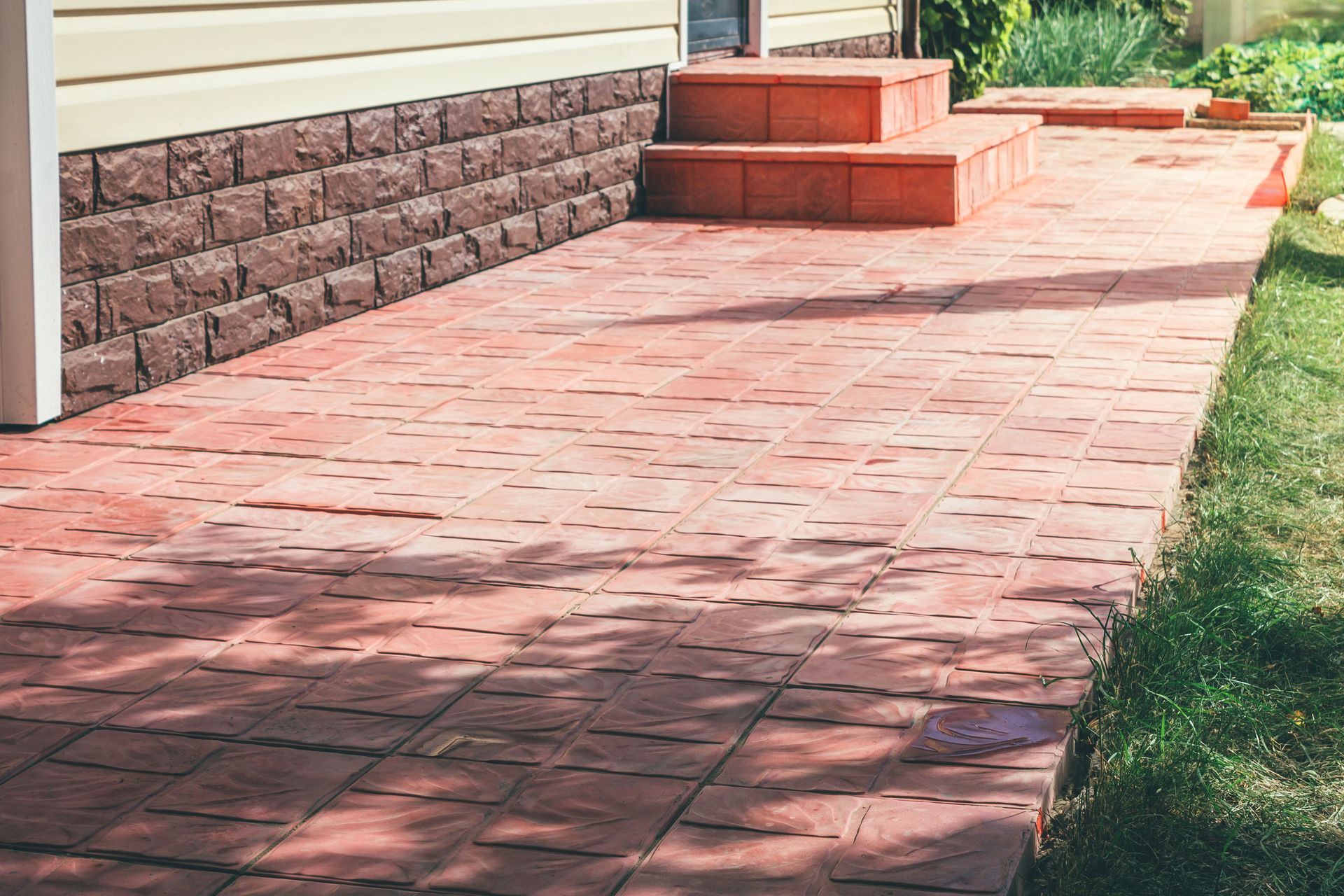
Concrete pavers are prefabricated blocks made from a mixture of concrete and coloring materials, designed specifically for paving projects. These landscape supplies are renowned for their versatility and availability in a wide range of shapes, sizes, and colors, offering tailor-made solutions for various hardscaping needs. Despite this diversity in design, all types of concrete pavers share a uniformity in terms of manufacturing, ensuring consistency in strength and durability. This control over the production allows manufacturers to create pavers that suit different environmental requirements, whether it be frost resistance in colder climates or UV stability in sun-exposed areas. Consequently, concrete pavers are favored for their adaptability across a broad spectrum of applications.
The manufacturing process of concrete pavers involves creating precise mixtures that combine cement, sand, gravel, and pigments before pressing them into molds under intense pressure. This meticulous process imbues pavers with high density and strength, capable of withstanding substantial weight and varied weather conditions. Additionally, as an integral part of modularity, if damage occurs, it is relatively straightforward to replace individual units. This characteristic can significantly enhance lifespan and reduce maintenance costs, with some reports, such as those from HomeLight, indicating that pavers can last up to 100 years with proper care. Therefore, concrete pavers serve as a robust option for long-term landscape investments.
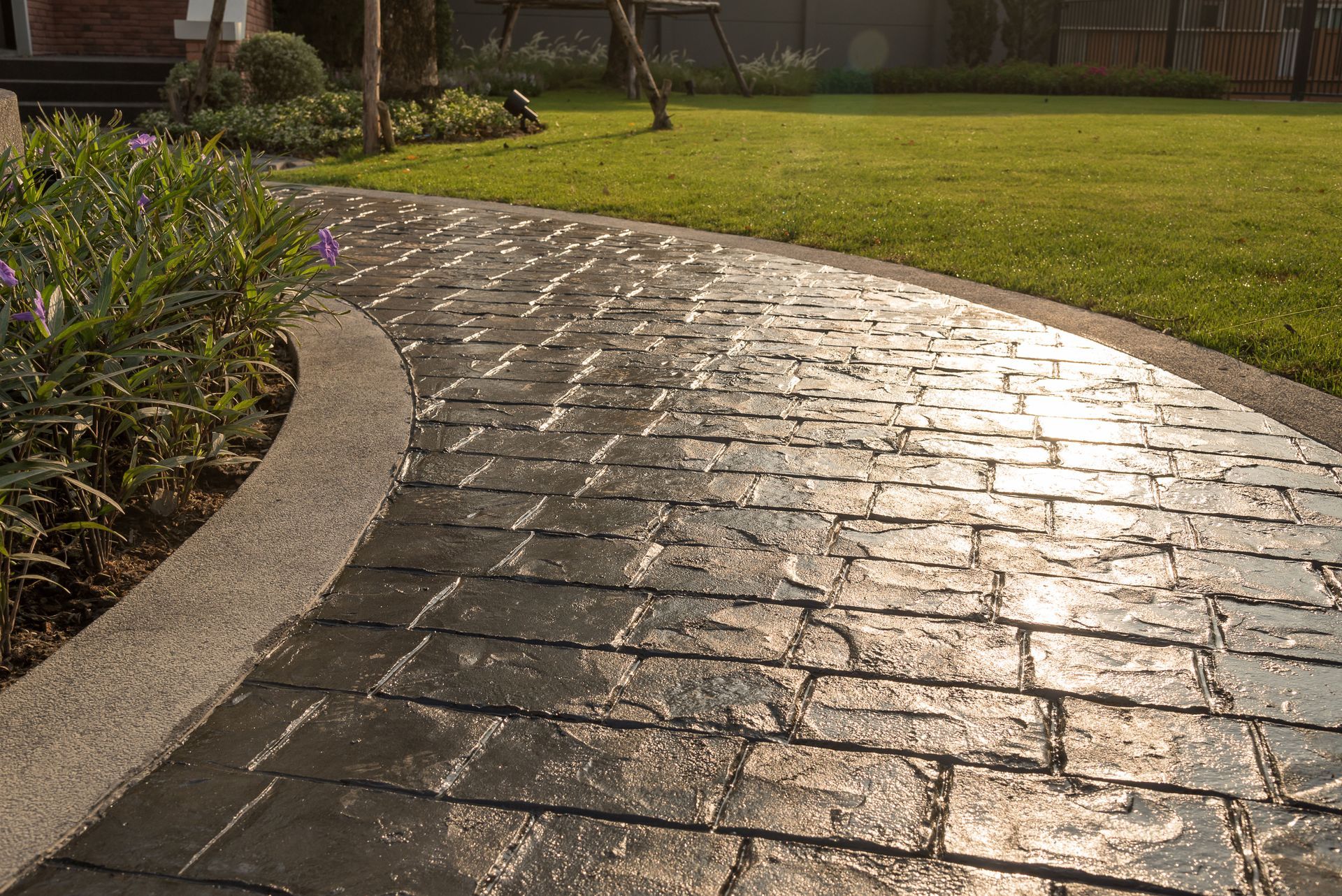
Common applications for concrete pavers extend beyond mere pathways; they also include patio surfaces, driveways, and even decorative elements within gardens. Their ease of installation and cost-effectiveness have made them a go-to choice for both residential and commercial projects. Recent trends show a rise in environmentally friendly options within the market, such as permeable pavers that facilitate better water drainage and reduce runoff. Innovations such as this highlight the industry's responsiveness to contemporary design and ecological demands. As a material of choice for modern landscapes, concrete pavers continue to evolve, offering cutting-edge solutions to suit varied architectural tastes.
Overview of Natural Stone
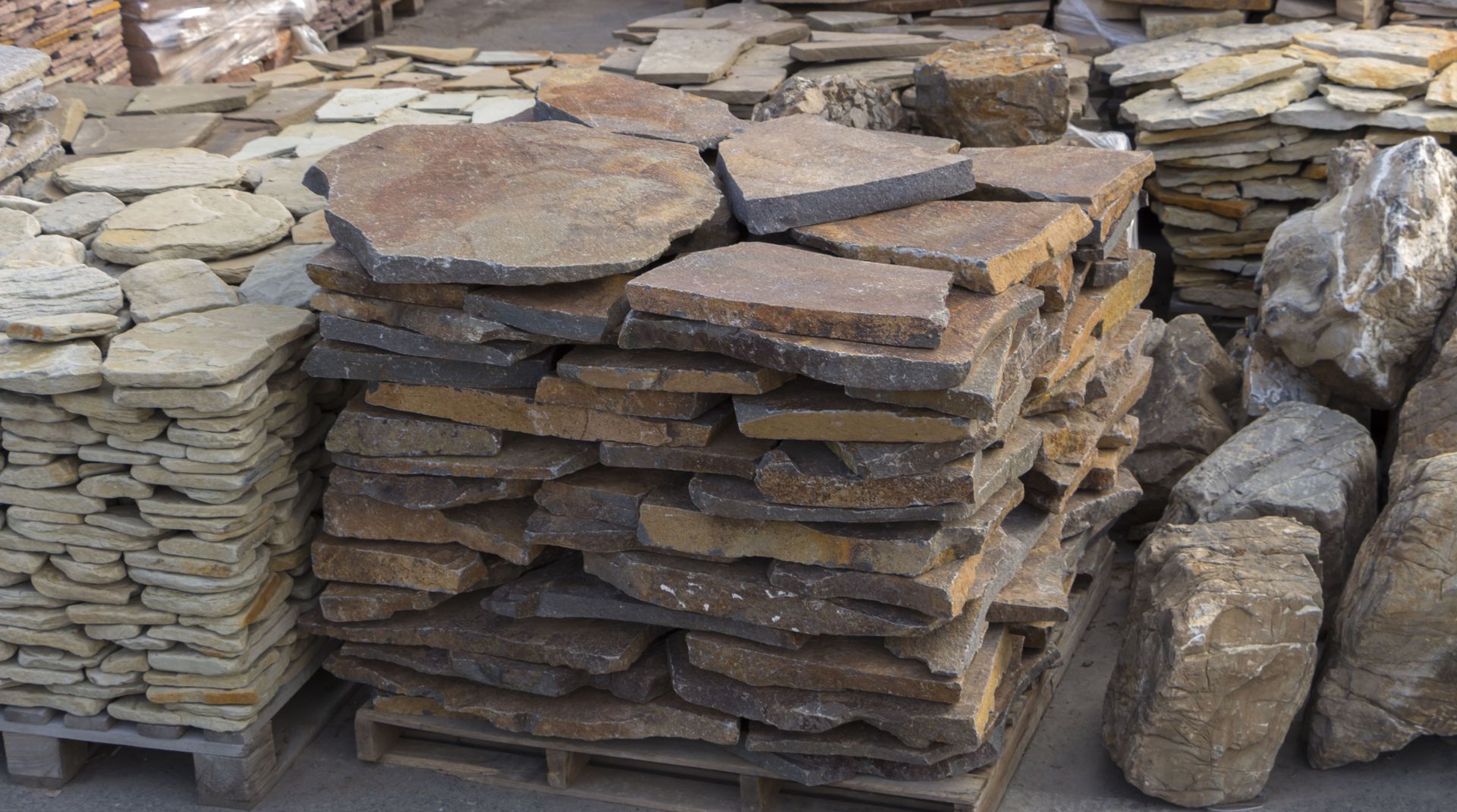
Natural stone, by definition, is a collective term for any geological material used in construction that is composed of naturally occurring minerals. The stone is typically sourced directly from nature through quarrying, which involves extracting large slabs or blocks from the earth's crust. This raw beauty and unprocessed appeal give natural stone its unique charm, as no two pieces are identical, providing a personalized touch to any landscape. Stones like granite, limestone, and slate are popular choices, each contributing its distinctive texture, color, and luster. The selection of natural stone not only underscores a commitment to authenticity but also embraces the time-tested strength and longevity inherent in these landscape supplies.
Extracting and processing natural stone involves several detailed steps, from identifying quality deposits to the careful extraction and finishing that refines each piece to fit its intended purpose. This intricate process adds to the allure of natural stone, where skilled craftsmanship meets natural artistry. The stones are cut, shaped, and polished before reaching their final form, ready to be incorporated into hardscaping projects. The ability to work with such diverse materials offers designers and homeowners the chance to personalize landscapes with distinctive natural characteristics, ensuring that their aesthetic preferences are met with precision.
Natural stone applications in landscape design encompass patios, garden paths, retaining walls, and water features, emphasizing their adaptability and enduring appeal. Homeowners and designers appreciate not only the variety in choice but also the visual continuity that natural stone provides, blending seamlessly with the natural environment. Recent design innovations continue to expand uses for natural stone, incorporating elements like heating systems under tiles for warm surfaces even in cool climates. Additionally, as sustainability gains focus, sourcing locally available stones reduces carbon footprints associated with transportation, aligning material choice with environmental considerations.
Comparative Analysis
When considering durability and lifespan for landscape supplies, both concrete pavers and natural stone present compelling benefits, though with distinct characteristics. Concrete pavers, thanks to their controlled manufacturing process, offer consistent strength and resilience, catering to a variety of environmental conditions and pressure demands. Their modular nature allows for easy replacements and repairs, enhancing longevity to potentially last up to a century, according to HomeLight. On the other hand, natural stone's inherent strength is due to its geological origin, possessing a natural durability that withstands time, as witnessed in historical structures. However, its lifespan can vary based on the specific type of stone and environmental exposure.
In terms of cost-effectiveness, concrete pavers typically present a more budget-friendly option compared to the often high upfront expense associated with natural stone. The standardization in production processes contributes to lower material and installation costs for concrete pavers. Meanwhile, natural stone costs can escalate due to the intricacies of quarrying, transportation, and crafting each unique piece. Nonetheless, homeowners might find value in natural stone's unique aesthetics and perceived prestige that potentially elevate property appeal and market value.
Choosing between concrete pavers and natural stone for hardscaping involves evaluating each material's unique benefits against project goals and constraints. Understanding the intrinsic qualities, environmental impacts, and cost implications informs a balanced decision-making process that prioritizes longevity, aesthetics, and sustainability. For landscape supplies, contact Antique Tile Pavers & Landscape Supply LLC today.