June 17, 2026
Choosing quality landscape supplies can make a major difference in how your outdoor space looks, functions, and holds up over time. Whether you're planning a small garden refresh or a larger outdoor renovation, the materials you choose will affect durability, appearance, maintenance, and long-term value. Landscaping involves more than simply improving curb appeal. It requires careful planning, practical material choices, and a clear understanding of how each product will support the finished design. With the right approach, you can select landscape supplies that add beauty, structure, and usefulness to your property while supporting a healthier outdoor environment.
Evaluating Your Landscape Requirements
Assessing Your Landscape Design
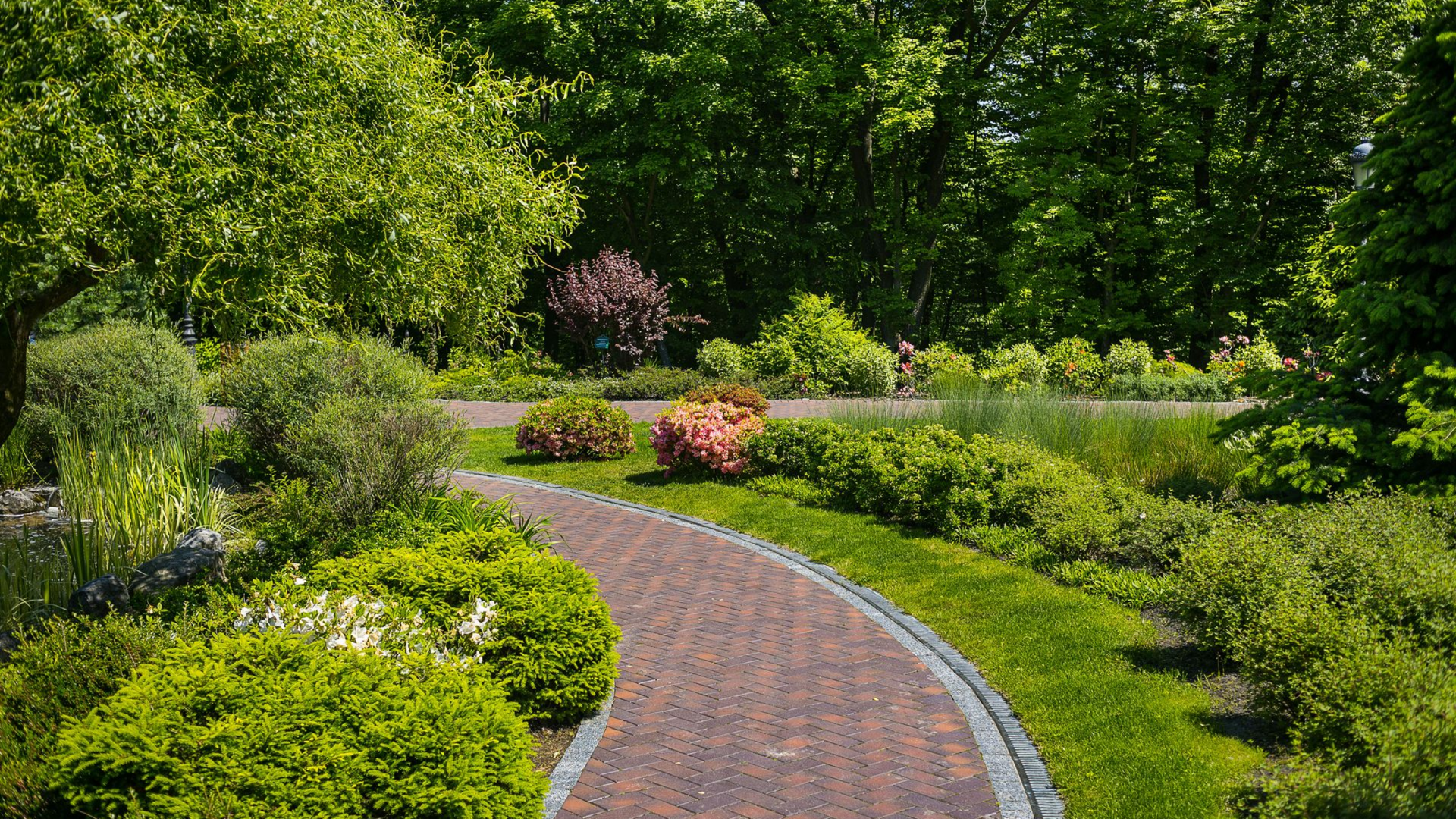
Before purchasing landscape supplies, take time to review your full landscape design. Consider existing trees, shrubs, walkways, patios, slopes, drainage areas, and water features. Each part of the property should work together instead of feeling disconnected. For example, a pathway should look attractive while also making movement through the yard easier. Planning ahead helps you avoid buying materials that do not fit the space, match the design, or serve a clear purpose.
Climate and Environmental Considerations
Climate plays an important role in choosing landscape supplies because heat, rain, wind, freezing temperatures, and sun exposure can all affect materials over time. In areas with harsh weather, more durable products may be needed for patios, retaining walls, edging, and walkways. Environmental considerations are also important. Native plants, permeable materials, and sustainably sourced products can support local ecosystems while reducing long-term maintenance needs.
Long-Term Maintenance Needs
It is important to think about how much upkeep your selected materials will require. Some products look beautiful at first but need frequent cleaning, sealing, repair, or replacement. When comparing landscape supplies, consider the time, labor, and cost involved in caring for each option. Choosing practical materials from the beginning can help you avoid frustration later and create an outdoor space that remains attractive with reasonable upkeep.
Functionality vs. Aesthetics
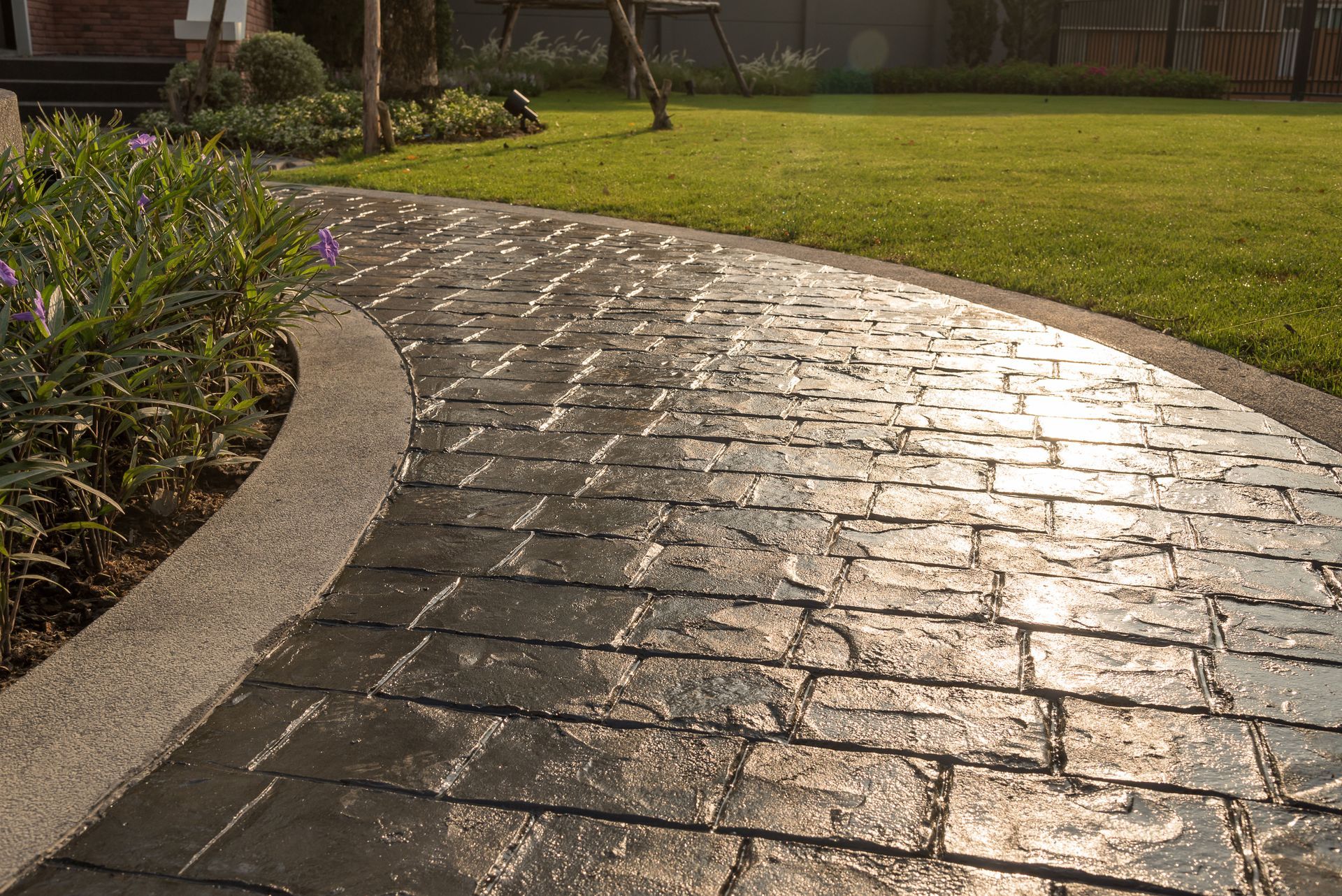
A successful landscape balances visual appeal with everyday function. While color, texture, and style are important, the space also needs to work for how you live. Seating areas, pathways, garden beds, privacy features, and retaining walls should all support comfort and usability. The best landscape supplies help create an outdoor space that looks polished while also serving a clear purpose.
Budget Constraints and Planning
Setting a budget early can guide your material choices and keep the project manageable. Compare different products, price points, and grades before making a decision. While lower-cost materials may be useful in some areas, higher-quality landscape supplies can be worth the investment for high-traffic areas or long-lasting features. A clear budget helps you decide where to save and where to spend more for better performance.
Researching Suppliers and Materials
Identifying Reputable Suppliers
Finding a reliable supplier is one of the most important steps in buying landscape supplies. Look for companies with a strong history of providing durable materials, helpful service, and clear product information. With approximately 7,231 businesses in the lawn and outdoor equipment stores industry in the United States, according to IBISWorld, comparing your options can feel overwhelming. Reviews, referrals, product availability, and customer service can all help you narrow your choices.
Material Durability and Adaptability
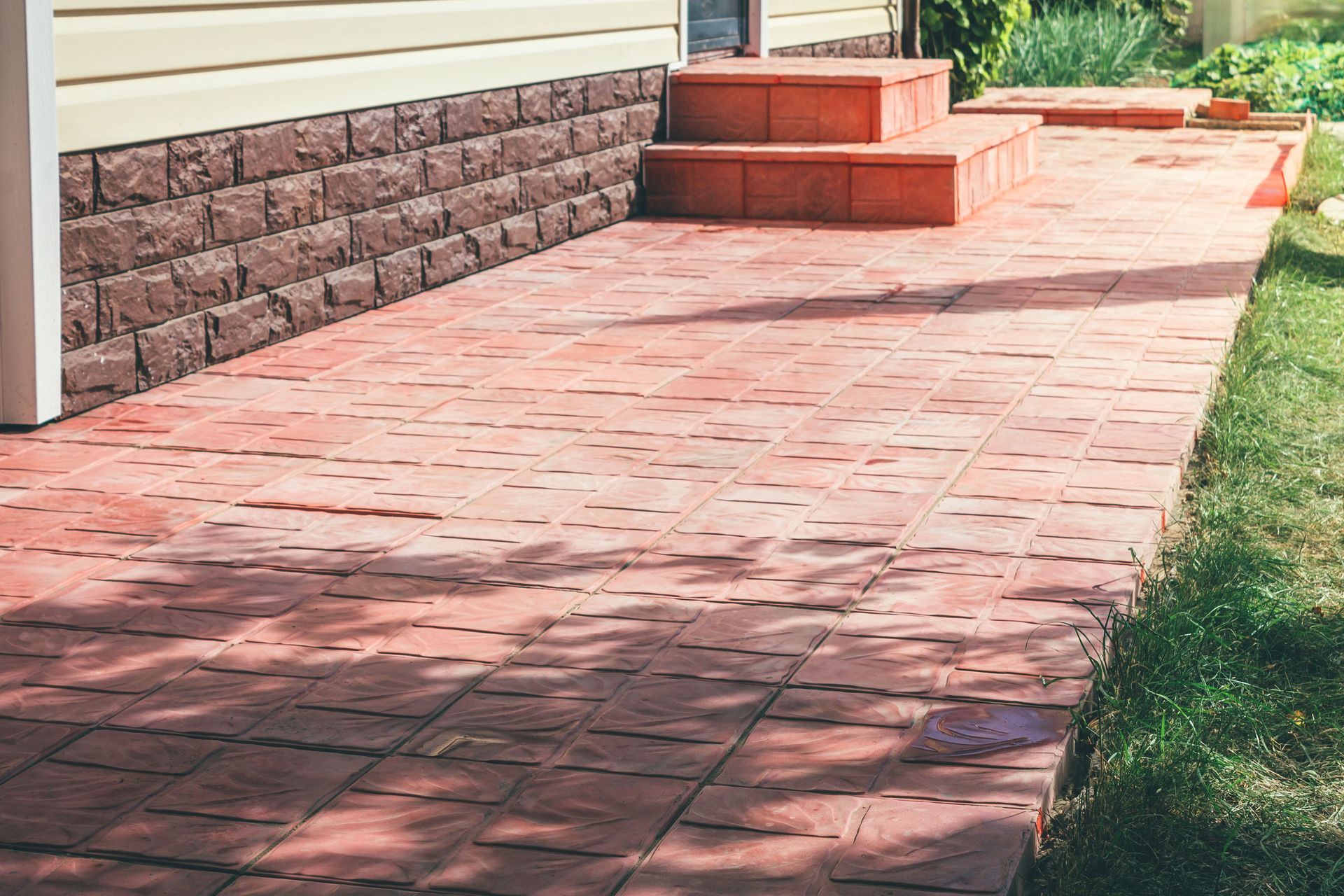
Durability should be a major factor in your decision-making process. Materials used for walkways, patios, retaining walls, and drainage areas need to handle regular use and changing weather conditions. Adaptable landscape supplies can also make future updates easier if you decide to expand or adjust your outdoor space later. Choosing strong, flexible materials can help your landscape stay functional and attractive across seasons.
Supplier Customer Service and Support
Strong customer service can make the buying process much smoother. A helpful supplier can answer questions, recommend materials, explain delivery options, and assist with product comparisons. This support is especially useful when you are purchasing landscape supplies for a larger project or working with custom orders. A responsive supplier can help reduce mistakes and make the project easier to manage.
Evaluating Material Quality
Reviewing Material Grades
Material grades help you compare quality levels and choose products that fit your project. Higher-grade materials often provide better durability, more consistent appearance, and stronger long-term performance. When comparing landscape supplies, ask how each grade differs and where each option is best used. This can help you select premium products for highly visible or heavily used areas while using more budget-friendly options elsewhere.
Verifying Material Sources
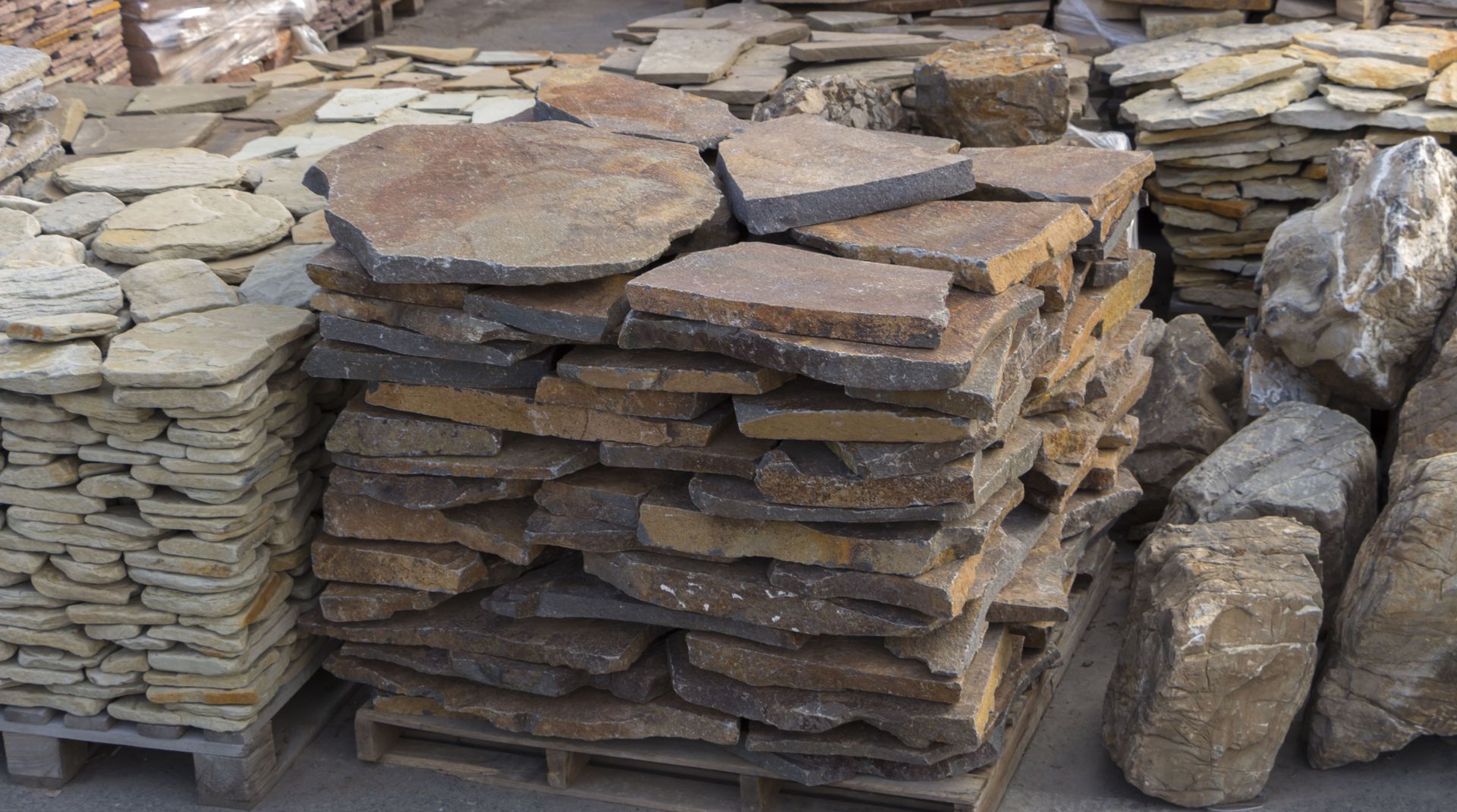
Knowing where materials come from can help you feel more confident about their quality and environmental impact. Responsible suppliers are usually willing to share sourcing information and explain how products are produced or harvested. This is especially important when selecting stone, soil, mulch, wood, or recycled materials. Transparent sourcing can support a more responsible and long-lasting landscape project.
Inspecting Material Samples
Samples allow you to examine color, texture, size, weight, and finish before placing a full order. Photos can be helpful, but they may not show every detail accurately. Inspecting samples of landscape supplies can help you compare products against your existing outdoor features and confirm that the materials fit your design goals. This step can reduce the risk of mismatched colors, uneven textures, or disappointing results.
Considering Environmental Impact
The environmental impact of your materials should be part of the selection process. Sustainable options may include locally sourced stone, recycled materials, native plants, permeable pavers, and organic soil products. Choosing responsible landscape supplies can reduce waste, support drainage, and improve the health of your outdoor space. These decisions can benefit both the property and the surrounding environment.
Testing Material Compatibility
Material compatibility matters when combining new products with existing hardscapes, plants, and drainage systems. Some materials may clash visually, while others may not perform well together. Testing samples, asking supplier questions, and reviewing installation recommendations can help you avoid problems. A compatible mix of materials creates a more cohesive and reliable finished landscape.
Balancing Cost and Quality
Assessing Value for Money
Value includes more than the initial purchase price. Quality, lifespan, maintenance needs, and appearance all affect whether a product is worth the cost. Cheaper landscape supplies may save money at first but lead to higher repair or replacement costs later. In many cases, investing in better materials can provide stronger long-term value and a more polished final result.
Reviewing Price Variations
Prices can vary based on availability, sourcing, grade, brand, delivery distance, and seasonal demand. Comparing several options can help you understand whether a higher price reflects better quality or simply a different supplier markup. Some moderately priced materials may work well for low-traffic areas, while premium products may be better for patios, steps, walls, and other focal points.
Cost-Saving Tips Without Compromise
Saving money does not always mean sacrificing quality. Buying in bulk, planning deliveries carefully, choosing local materials, or using leftover products creatively can help stretch your budget. You may also be able to pair premium materials in focal areas with simpler options in less visible spaces. This approach allows you to control costs while still creating a strong overall design.
Comparing Price Options
Price comparisons can reveal meaningful differences between suppliers. Look at product quality, delivery fees, minimum order quantities, and return policies before deciding. A lower price may not be the best deal if service is unreliable or materials arrive damaged. Comparing the full purchase experience helps you make a more practical choice.
Selecting quality
landscape supplies requires careful thought about material quality, cost, maintenance, environmental impact, and future plans. By comparing suppliers, reviewing samples, asking the right questions, and planning ahead, you can choose materials that support both the beauty and function of your outdoor space. A well-designed landscape can improve daily enjoyment, strengthen curb appeal, and create lasting value for your property. To learn more, get in touch with Antique Tile Pavers & Landscape Supply LLC.